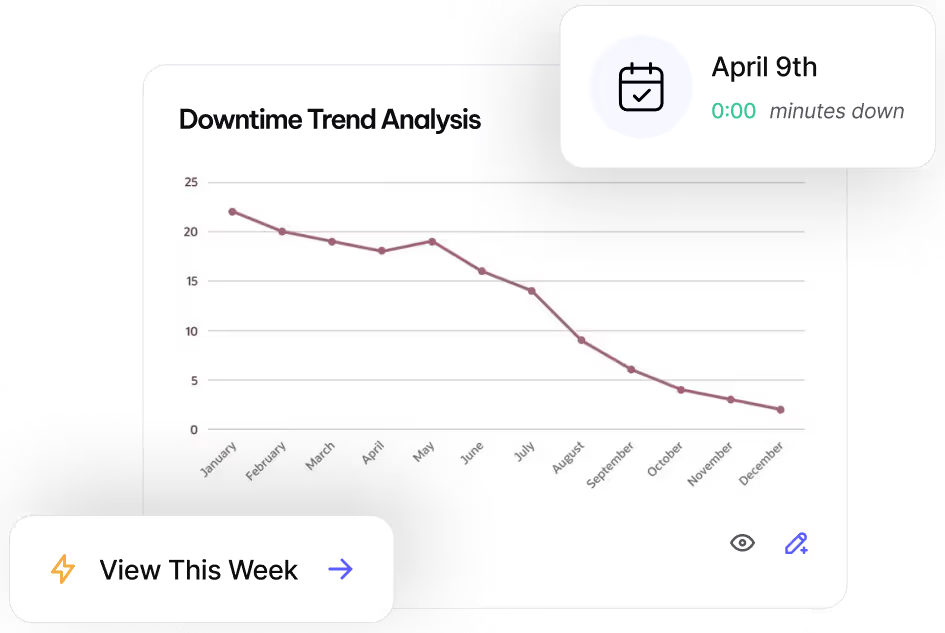

A well-managed storeroom is not built on intuition alone. It is built on consistent data and the ability to identify problems before they affect production. Instructor Steve Janow, using his 30+ years of MRO inventory experience, explains this throughout the MVP One MVP 307 Inventory Storeroom Management course. He explained how inventory management is about ensuring maintenance teams have the right parts available when they are needed.
Janow says the goal is simple: "Having them on hand when you need them, that's the key." The challenge is knowing whether the storeroom is actually positioned to meet that objective.
That is where CMMS metrics become indispensable. According to Janow, maintenance inventories must be optimized to support "quick recovery from unscheduled downtime or quick recovery from an emergency."
Effective metrics help balance reliability, cost, and operational readiness rather than focusing exclusively on reducing inventory value.
Four metrics deserve particular attention because they connect storeroom performance directly to maintenance outcomes.
1. Stockout Risk on Critical Parts
Not all inventory carries the same level of risk. Janow stresses the importance of identifying critical and insurance spare parts, especially those associated with critical equipment, long lead times, or unique OEM applications. A storeroom leader should regularly review parts that are below minimum stocking levels, missing lead-time information, or dependent on a single supplier.
According to Janow, not having critical spares available can result in "extended downtime and a major loss of production." Monitoring stockout risk allows organizations to address vulnerabilities before a failure exposes them. Critical spare inventories should have accurate lead times, replenishment criteria, and clearly defined min/max levels to ensure they remain available when equipment failures occur.
2. Inventory Value Trend
A rising inventory value is not automatically a negative sign. However, it should prompt investigation. Janow noted that reactive maintenance environments often accumulate excess inventory because facilities purchase parts to address recurring emergencies. Over time, this can create duplicate part records, obsolete materials and excessive stock levels.
Janow often encounters facilities where obsolete inventory continued to grow unchecked. During assessments, he observed that many organizations lacked formal obsolescence plans, leading to storerooms that "just keep building and building and building." Monitoring inventory value trends helps identify those issues before they consume valuable storage space and maintenance budgets.
3. Parts Issued to Work Orders
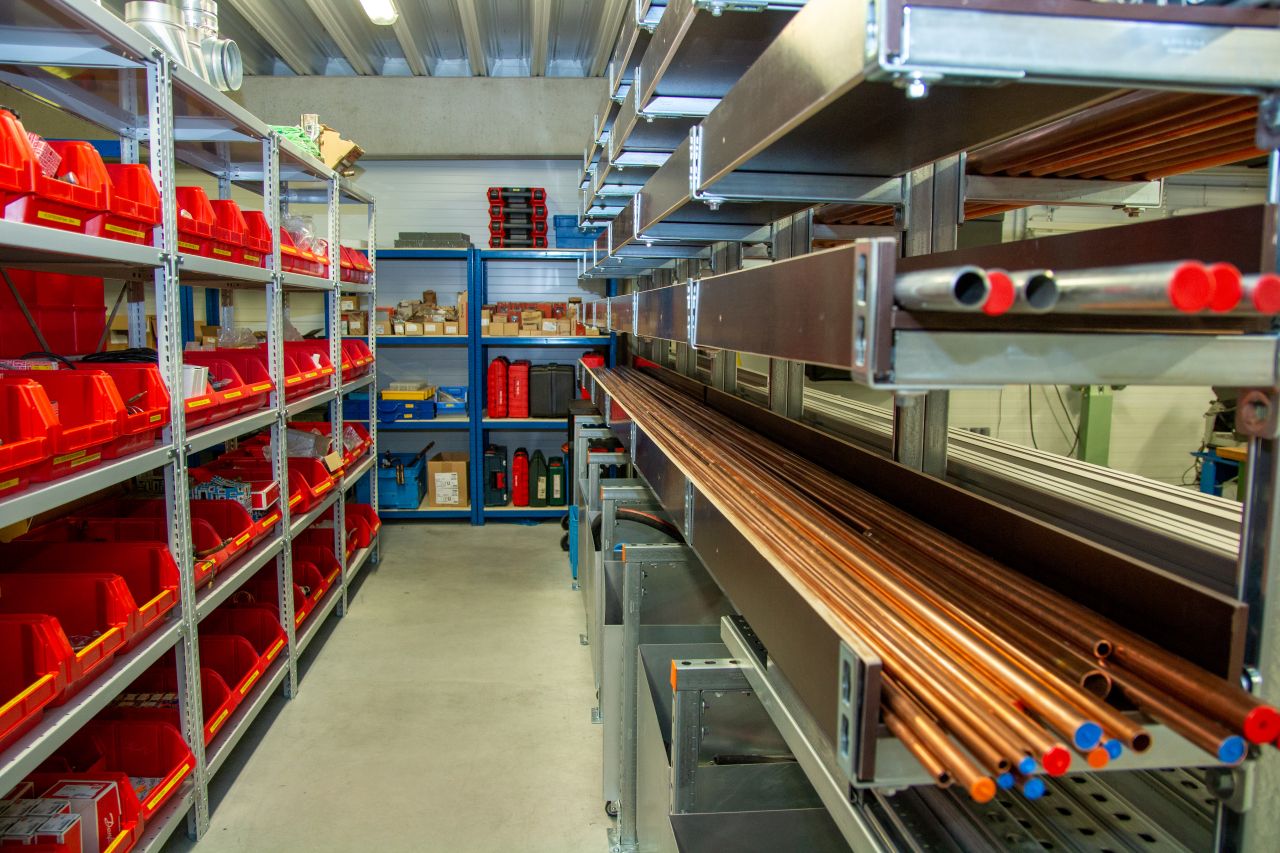
Tracking parts consumption by work order provides one of the clearest connections between inventory management and equipment reliability. Janow repeatedly emphasized the importance of charging spare parts usage directly to work orders and assets.
When parts are consistently associated with specific equipment, maintenance teams can identify recurring failures, costly assets, and chronic reliability problems. Janow explains how all spare parts usage should be tied to work orders because accurate data allows organizations to analyze failures, understand equipment history, and make better maintenance decisions. "Good data in" leads to "good data out," he told attendees.
If a particular machine repeatedly consumes bearings, sensors, belts, or electrical components, that information may reveal a larger reliability issue requiring corrective action, predictive maintenance, or redesign.
4. Reorder Exceptions
Reorder exceptions highlight parts approaching their replenishment thresholds. Janow emphasized the importance of maintaining accurate min/max levels, reorder points, vendor information, and lead times.
A review of reorder exceptions helps storeroom personnel identify inventory records that require attention before shortages occur. Missing replenishment parameters, inaccurate lead times, or outdated supplier information can prevent the system from generating appropriate purchase recommendations.
Janow notes how optimization depends on having standardized naming conventions, replenishment criteria, regularly scheduled cycle counts, and accurate inventory data. Without those foundational elements, organizations cannot effectively manage inventory risk or confidently automate purchasing decisions.
Enroll in "MVP 307 - Inventory Storeroom Management" to learn more.