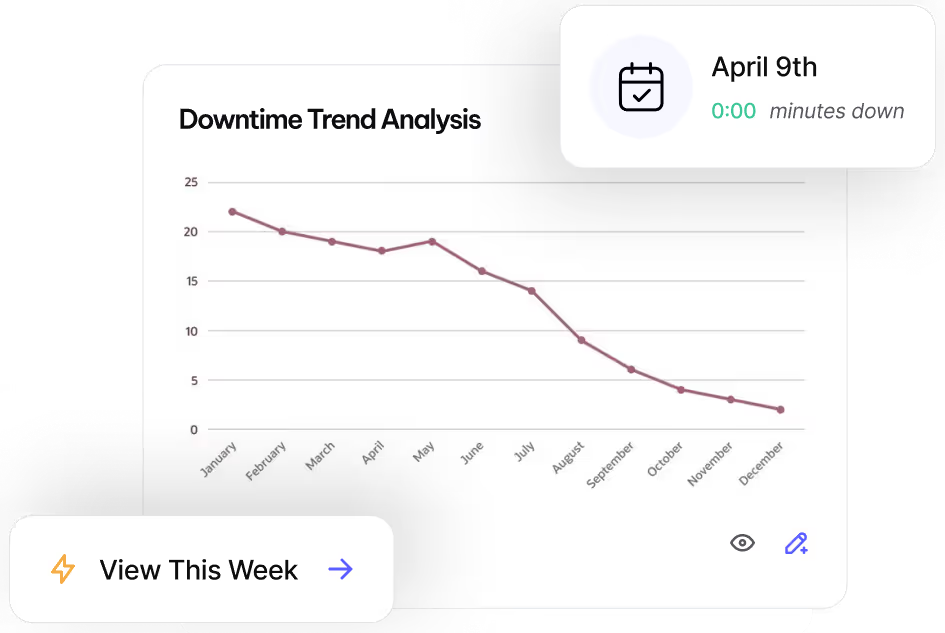
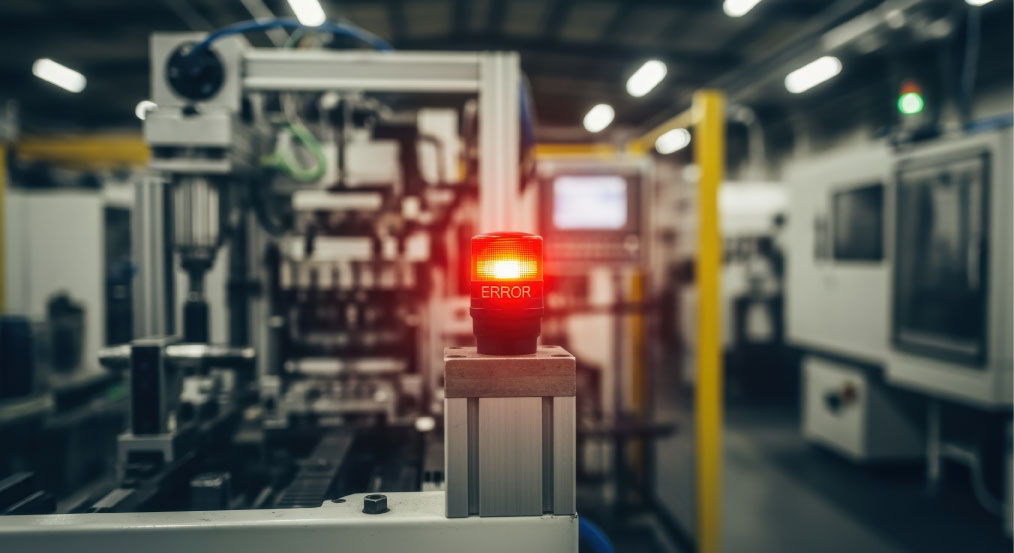
AI for maintenance is everywhere. "Should we use it?" isn't the question anymore. Managers are all in with predictive technologies.
AI provides a budget friendly way to manage assets. However, it's held back by static data that lacks context. Alerts are vague, and priorities are unclear. If data isn't updated often, small mistakes can lead to big problems.
The solution isn't smarter tools; it's smarter collaboration between people and AI. As my team and I at MVP One call it: "Asset Intelligence."
Your People = Your Biggest Asset
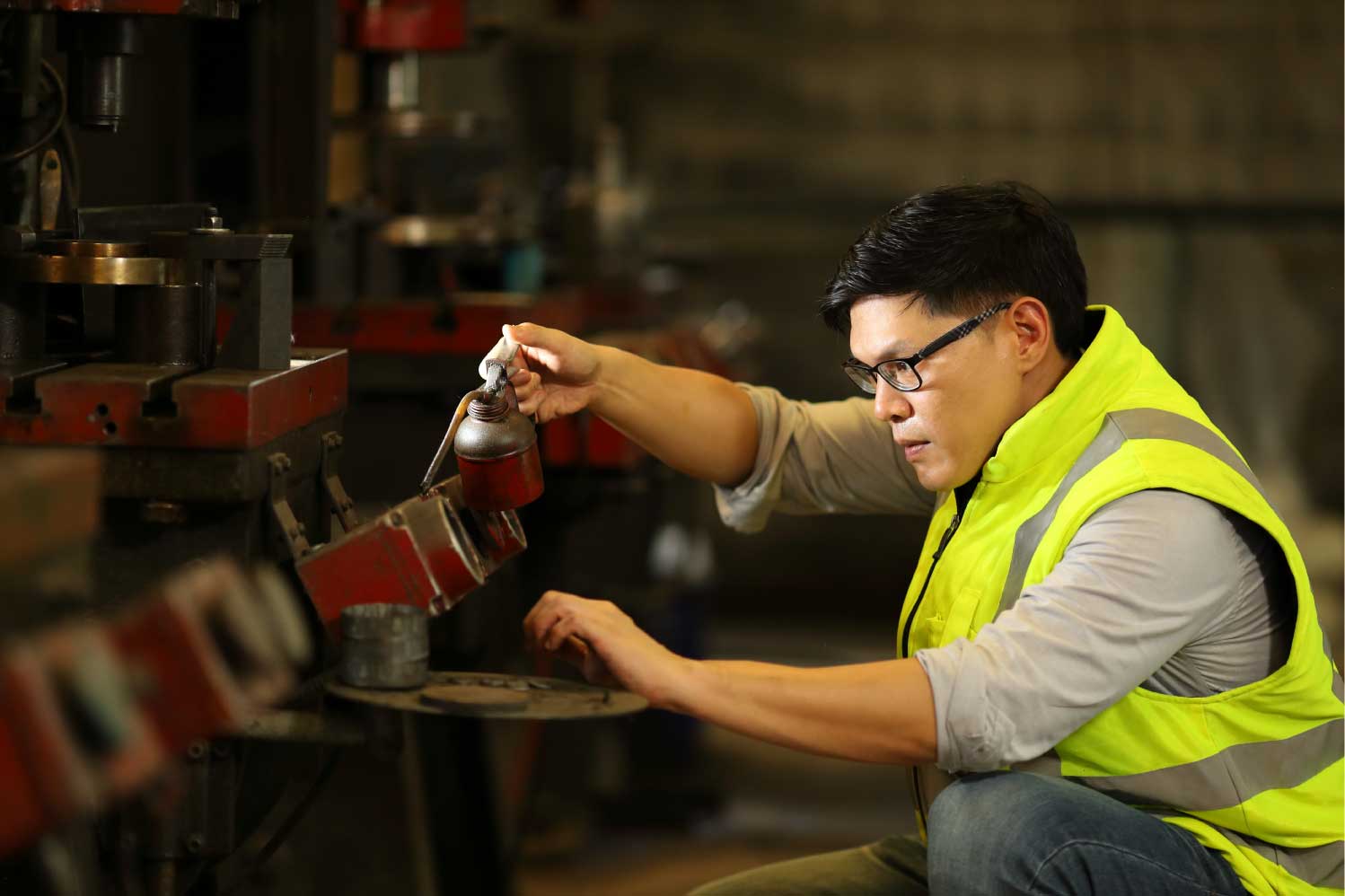
My business development team recently spoke with a plant using MaintainX for AI-generated PMs. Their maintenance planner flagged concerns about lubrication scheduling. He noted that a few missing grams of lube could reduce machine lifespan over time.
If the planner missed that detail, the AI would've kept scheduling tasks with bad data. Later, those errors could cause early wear and surprise breakdowns.
AI can predict, but it can't see what your team sees.
In Asset Intelligence, people and technology matter equally. Skilled technicians understand how machines operate and what factors affect performance.
Without their judgement, even the smartest technologies create more risks.
Where Reliability AI Becomes a Liability
AI can review data between tasks and estimate when machines need preventive repairs. This creates another line of defense against downtime. However, there's still a learning curve between out-of-the-box models and reality.
Lack of Context
Technology doesn't immediately know how a specific plant or facility works. It might miss small but important details, like the right type of lube for a machine or how humidity affects equipment.
Confusing Logic
Some AI systems give alerts without explaining why. This makes it hard for teams to trust warnings or assign the right resources. If no one understands the AI's decisions, it's tough to hold anyone accountable or improve processes.
Overreliance on Old Data
AI learns from past breakdowns instead of up-to-date data. It can miss changes, such as new assets or revised instructions. It might make outdated predictions that don't match what's currently happening.
Poor Inclusion in Daily Workflows
AI alerts can feel out of sync with how teams work. If the system doesn't support maintenance plans or priorities, people might ignore it. That's a missed chance to improve both operations and AI outputs.
Risk Blindness
AI treats every issue the same unless it's taught to prioritize. It might flag a minor problem with the same urgency as a major safety risk. Without human judgment, teams might miss serious safety threats to consumers and employees.
Overlooking Technician Know-How
AI only knows what it's told. It can't replace the experience of skilled technicians who know a machine's quirks. When human feedback is built-in, AI becomes a tool for collaboration instead of replacement.
Shifting to Asset Intelligence
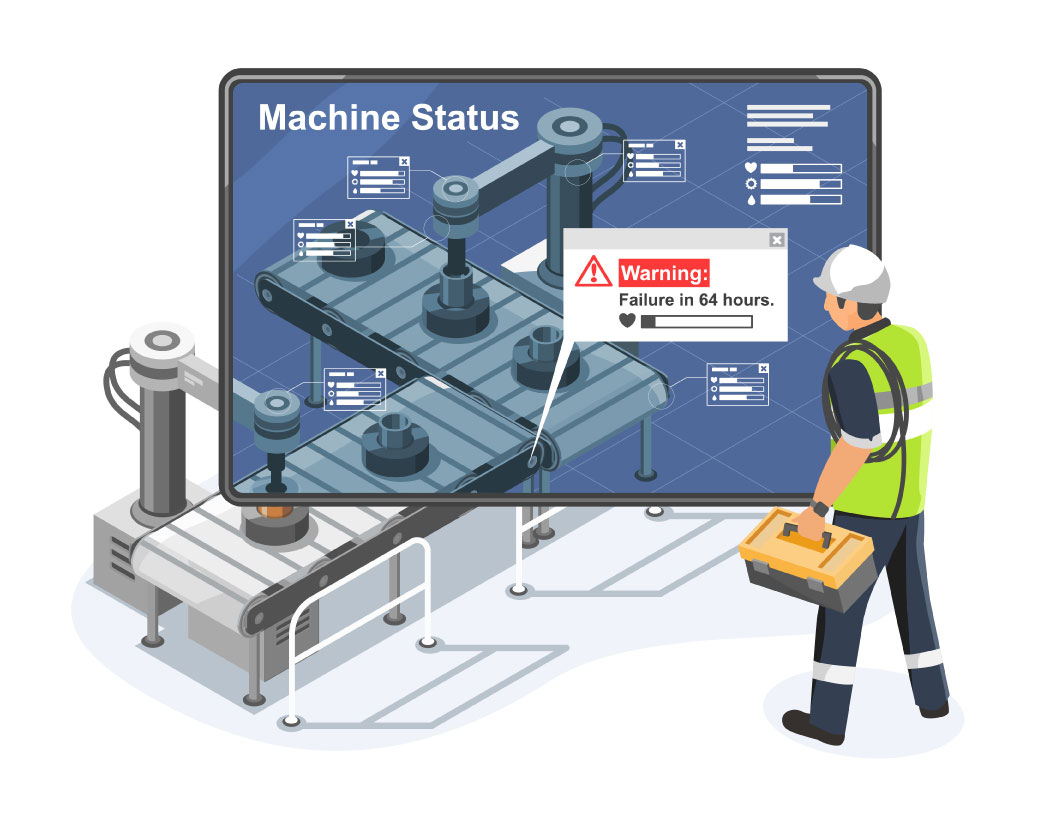
A 2025 Deloitte survey found that 80% of manufacturing executives plan to allocate at least 20% of their budgets to AI and automation tools. Yet, Plant Engineering reported that 88% of plants still rely on preventive maintenance as their primary strategy.
That contrast says a lot. Even with increased AI spending, leaders and teams are still disconnected. The irony is that everyone in the plant or facility (from managers to technicians) is working toward the same goal: efficiency and uptime.
Asset Intelligence is how we close that gap.
Get Everyone Involved
- Technicians
- Check AI suggestions against real conditions.
- Catch small details like lubrication and wear.
- Share feedback to make AI outputs more accurate.
- Maintenance Managers
- Fit AI suggestions into current schedules.
- Decide what tasks are most important based on risk.
- Turn alerts into clear work orders.
- Planners/Schedulers
- Balance AI tasks with preventive work.
- Adjust timelines when priorities change.
- Keep workflows smooth and organized.
- Inventory/Purchasing Managers
- Plan ahead for parts using AI insights.
- Cut down on emergency orders.
- Keep downtime low with inventory control.
- IT and Data Teams
- Keep systems secure and connected.
- Validate AI works with CMMS and sensors.
- Handle updates and fixes quickly
- Leadership
- Set clear goals for AI and people working together.
- Support training and adoption.
- Track results for both technology and team impact.
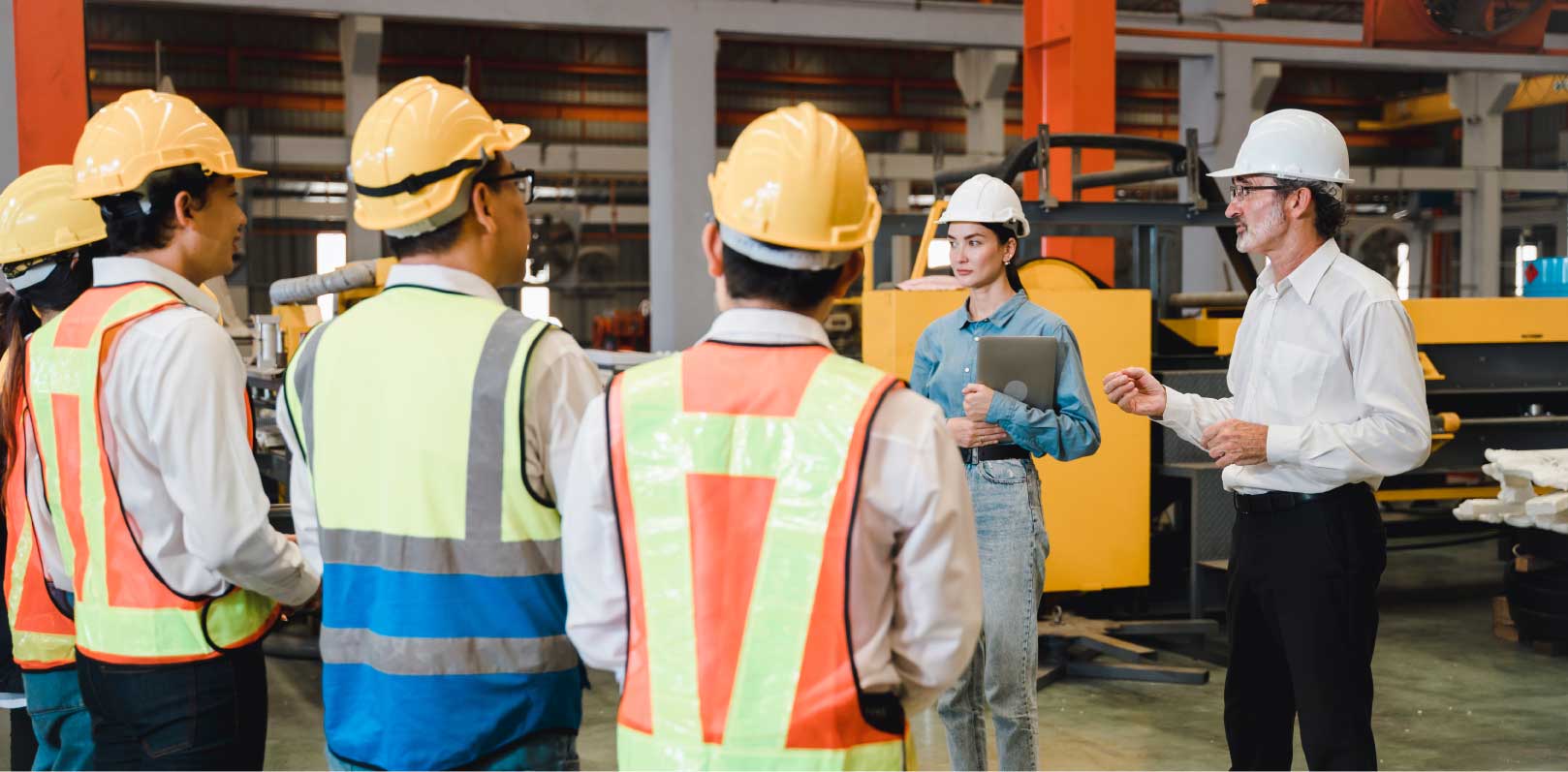
Technology: A Tool for Teamwork
I've seen maintenance technology evolve from pre-smartphone barcode solutions to PLC/IoT. One thing hasn't changed: reliability starts and ends with people.
AI is a powerful catalyst, but it's not the finish line. Asset Intelligence is the real key to efficiency and accuracy.
New tools won't replace your team; they'll help them do their best work. When people and AI work together, plants get ahead instead of just keeping up.
That's the promise of MVP One and Asset Intelligence: turning data into decisions that drive real results.
Learn how MVP One makes reliability happen with Asset Intelligence.