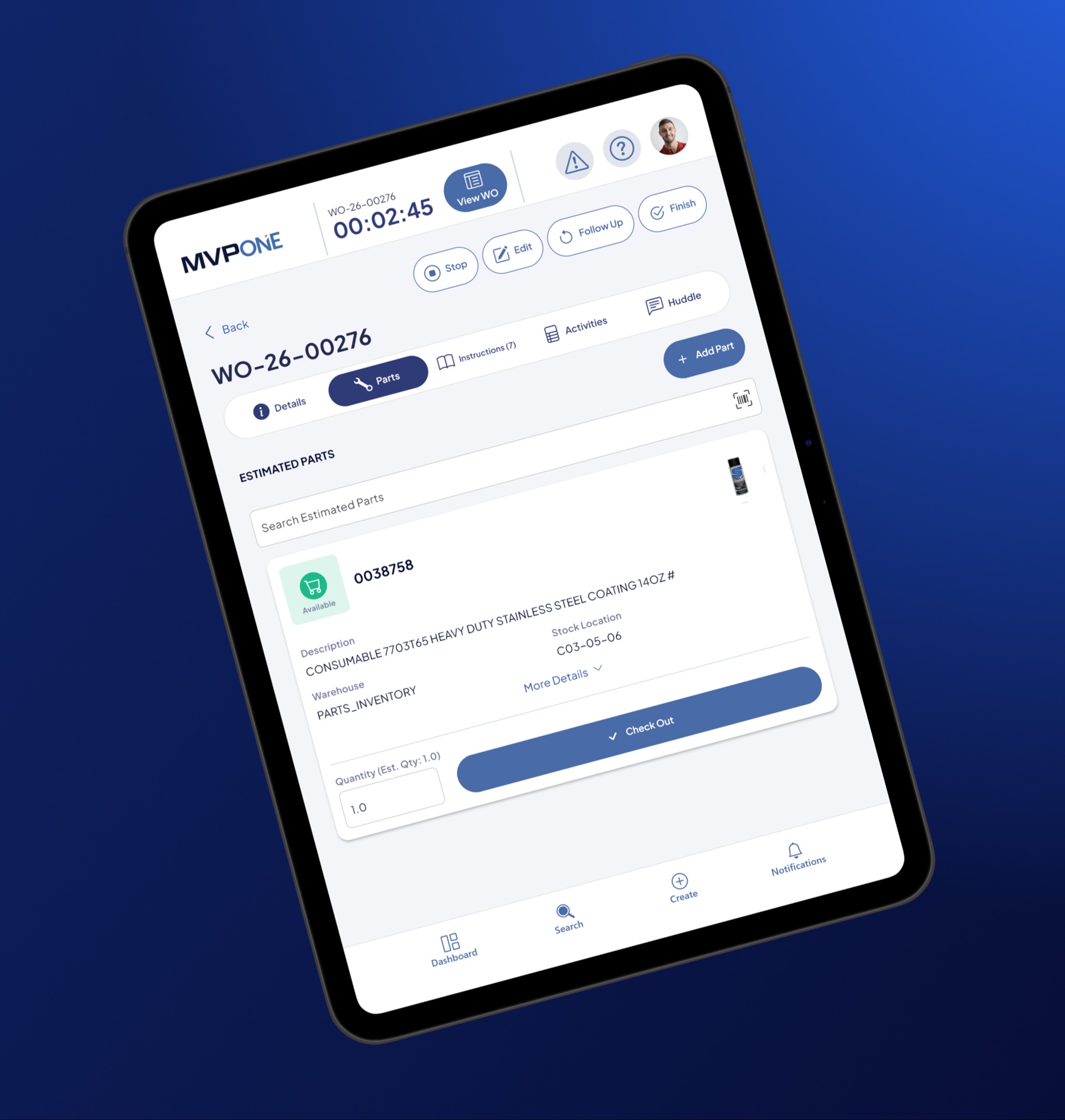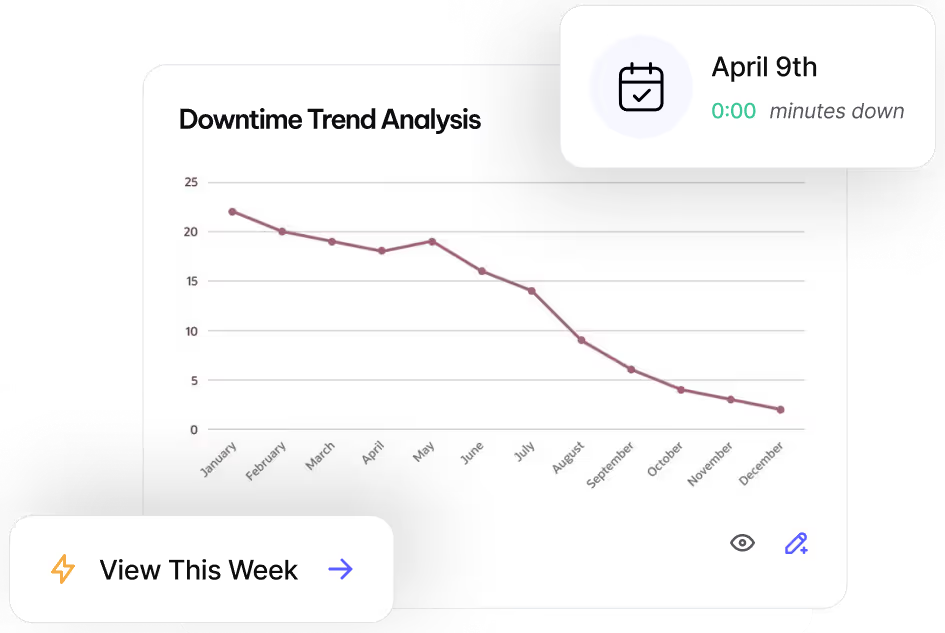

The CMMS industry is undergoing a fundamental shift toward mobile-first architectures that prioritize accessibility and usability for field technicians. According to industry analysis, the global CMMS market is projected to reach $2.45 billion by 2034. This growth is being driven by demand for mobile-enabled solutions that allow maintenance teams to work more efficiently from almost any location.
Modern mobile CMMS platforms feature touch-optimized interfaces, responsive layouts, and streamlined workflows designed to eliminate the friction often associated with field data collection. Maintenance managers across manufacturing, utilities, and facilities operations are using mobile-first solutions to help technicians access asset histories, review work instructions, and update work orders with greater speed and accuracy.
This approach reduces administrative burdens, accelerates repair completion, and ensures critical maintenance data is captured at the point of service.
Organizations adopting cloud-based CMMS platforms are also fueling market growth, with cloud deployments expected to remain the dominant model throughout the forecast period. The trend reflects the increasing value organizations place on accurate maintenance data and operational visibility.
How Offline Capabilities Eliminate Connectivity Barriers
One of the most significant innovations in mobile CMMS technology is the integration of robust offline capabilities. These features ensure maintenance activities can continue uninterrupted regardless of network availability.
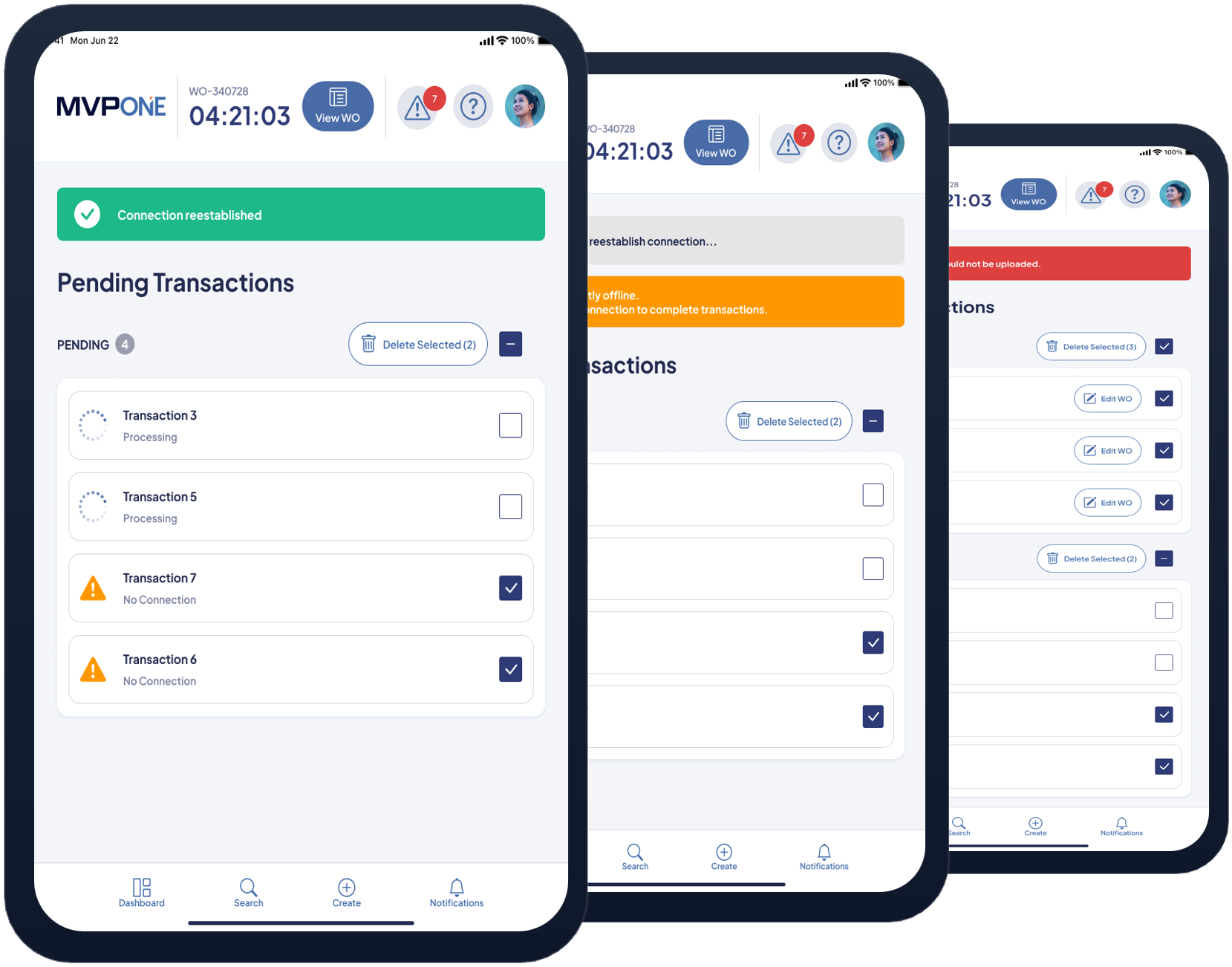
Industrial facilities often include remote or shielded areas where reliable connectivity cannot be guaranteed. Traditional cloud-based systems that depend on constant internet access can create operational bottlenecks when technicians lose connectivity, forcing them to postpone updates or rely on paper-based processes.
Advanced mobile CMMS solutions address this challenge through intelligent offline functionality that automatically synchronizes data when connectivity is restored. Technicians can continue performing maintenance work and documenting without requiring a live connection, which prevents downtime.
This capability is valuable for organizations operating across large facilities or in challenging environments where network access may be inconsistent. By eliminating connectivity barriers, companies can:
- Improve first-time completion rates.
- Reduce mean time to repair (MTTR).
- Enhance the accuracy of maintenance records.
- Provide a consistent single source of truth for users.
Barcode, QR Code Integration Accelerates Asset Access
The integration of barcode and QR code scanning within mobile CMMS platforms combines established asset identification methods with modern software capabilities. Maintenance teams can instantly connect physical assets with their digital records, eliminating the time-consuming searches that accompanied asset lookups.
By placing scannable codes on equipment, technicians can retrieve information needed to perform maintenance and make informed decisions. Instead of manually searching through records, technicians can access relevant asset data from a mobile device.
Beyond simplifying asset access, QR code integration improves accountability and helps standardize maintenance processes. Facilities managers benefit from better visibility into asset activity, while technicians spend less time searching for information and more time completing work.
Real-Time Data Synchronization Enhances Decision-Making
Real-time data synchronization is transforming maintenance operations by ensuring stakeholders have immediate access to current information. This eliminates many of the delays and inaccuracies associated with manual data transfers and batch-processing systems.
When maintenance data is synchronized across devices and locations, supervisors can monitor work progress, evaluate equipment performance, and allocate resources more effectively. Real-time visibility also supports predictive maintenance initiatives by feeding current equipment data into analytical models that can identify potential issues before failures occur.
For enterprises operating across multiple facilities, synchronized data creates a stronger foundation for continuous improvement efforts while helping reduce downtime, maintenance costs, and operational risk.
Voice-to-Text and Automation Reduce Manual Data Entry
Voice-to-text functionality and intelligent automation are helping maintenance teams reduce one of the most time-consuming aspects of asset management: manual data entry.
Modern voice recognition technology allows technicians to document completed work and equipment conditions by speaking. This is beneficial in environments where workers are using tools or need to capture details immediately while information remains fresh.
Automation further streamlines maintenance operations by reducing repetitive administrative tasks and improving workflow efficiency. Modern CMMS platforms can intelligently route work orders, automate inventory-related actions, and support compliance documentation without requiring extensive manual intervention.
These capabilities reduce administrative workloads, improve labor efficiency, and help organizations address the growing challenges associated with skilled labor shortages and complex equipment environments.
Learn more about the MVP One mobile app.