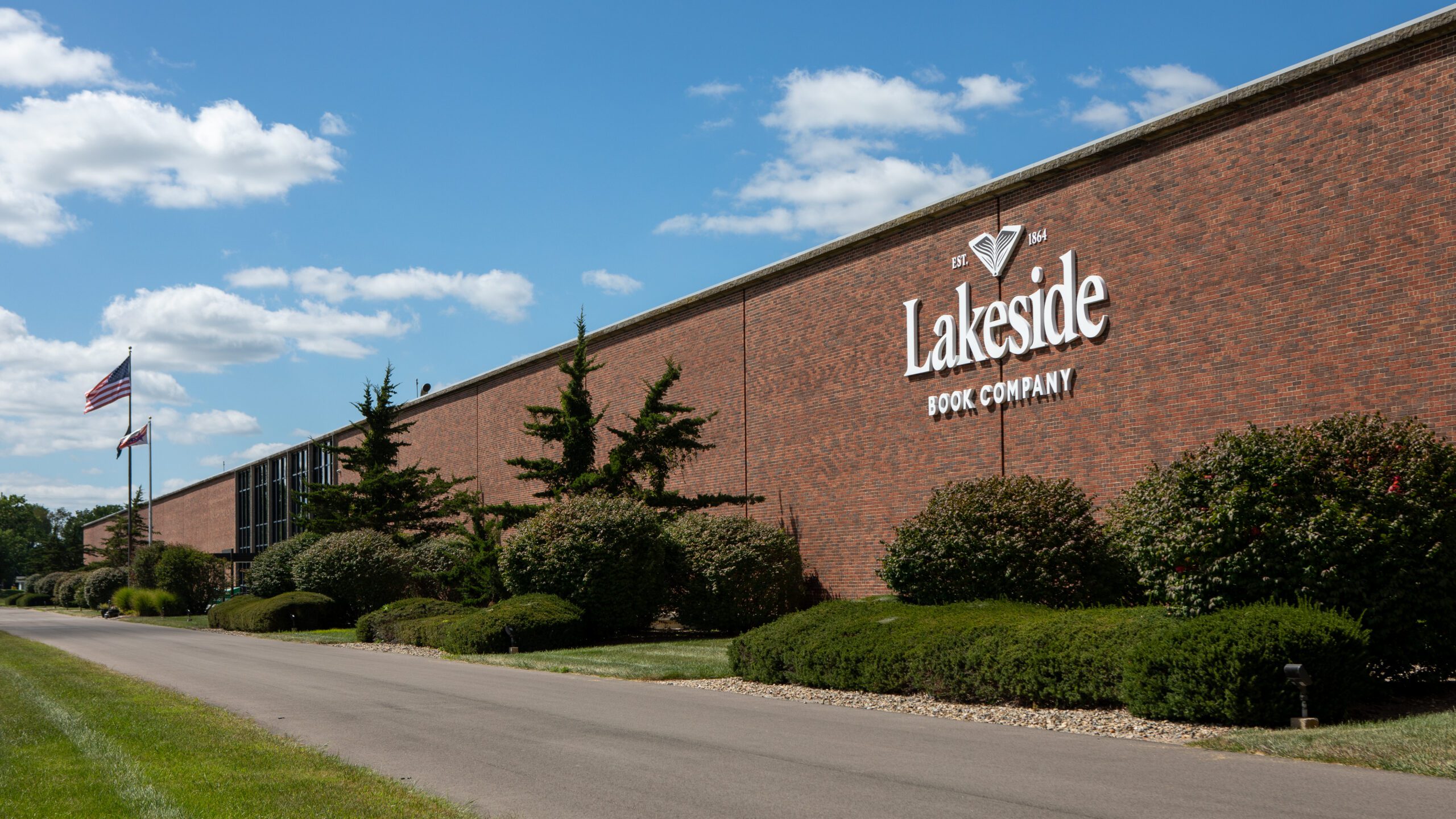
Lakeside Book Company runs plants across the United States and Canada, each with its own equipment, history, and staff. When the company set out to bring every site onto the same CMMS, that variety became the real problem to solve. A single rollout plan was never going to fit locations that ranged from an SAP-connected enterprise system to sites running maintenance on paper and spreadsheets. Manny Buck, Director of Engineering, oversees that rollout across every plant, while Noe Sepulveda, Maintenance Manager at the company's Owensville, Missouri plant, saw it unfold firsthand. Their experience shows what standardizing maintenance really requires when every plant starts somewhere different.
Every plant started from a different place
Buck has been with Lakeside Book for close to four years, joining shortly before the company began its MVP One rollout. Before that, maintenance ran on whatever each site had in place, and it was rarely the same system twice.
“We started with MVP One in November 2023. Before that, we actually used MP2 or nothing at all in some spots. So we had a lot of sites that were pen and paper, even Excel.”
That inconsistency went beyond software. Some plants had formal work order and inventory processes in place; others ran on habit and memory. A rollout built around one standard starting point was going to break down somewhere.
One pilot site built the plan for the rest
Lakeside Book did not push MVP One across every facility at once. The company picked a single site to go first.
“We did one at a time. We rolled it out at one site first and learned a lot about what worked, and what needed adjusting, from a system setup perspective.”
Sepulveda supported the platform team company-wide before moving into his current plant-level role, and Buck credited him with turning that first rollout into a repeatable plan.
“Noe did a great job of understanding what it's going to take to roll it out, so he was able to put together a solid, streamlined implementation plan that we then took to all the other spots.”
The rollout is still active. Marquis Book Printing, a Canadian division of Lakeside Book Company, went live at their Louiseville site the week of this interview, with another location targeted for the following year.
Get a demo with an MVP One expert.
Plant culture set the pace of adoption
Software consistency did not mean every site adopted MVP One CMMS at the same speed. Sepulveda said that came down to plant size and the people working there as much as anything technical.
“It was site dependent. Some sites adopted it within a quarter; for others, it took closer to a year. It depended on the size of the site and the people who were there.”
He pointed to a workforce dynamic common across manufacturing, where experienced staff nearing retirement work alongside newer hires with a different relationship to digital tools.
“We're getting to a culture where some people are close to retirement and there's a big gap. You're asking people to change something they've been doing for 25 years, and that brings a lot of resistance.”
Standardizing gave plants a way to support each other
Once sites were live, the goal shifted from getting everyone onto MVP One to getting everyone using it the same way.
“Our big thing was trying to be as consistent as possible. A lot of our sites had different histories and used different systems for work orders and inventory. Now everybody's on one platform, set up and used consistently, so they can support each other.”
That consistency showed up fastest around PM compliance, which Lakeside Book had tracked by hand before MVP One.
“Getting PM completion rates was a real challenge because we were doing it manually, hoping everyone counted it the same way. We had no real data on whether PMs were done on time. Now it's a push of a button, and we can see exactly how many were done, and done on time.”
Still building on a strong foundation
Buck said the team's next round of metrics will shift toward mean time to repair, mean time between failures, and where machines are actually failing, building on the usage data MVP One has already given them.
Sepulveda pointed to gains the system already delivers at Owensville day to day, from auto-generated purchase requests to approving an admin request from his phone at an airport instead of needing a VPN connection back to a server.
“We use it every single day, for inventory, work orders, PMs, purchasing. Being cloud-based and web-based helps a lot.”
Lakeside Book's rollout shows what standardizing a CMMS across multiple plants actually looks like. The work continues long after the first go-live, plant by plant, as each site's systems, data habits, and workforce fold into one common standard.