Manual inventory tracking often survives because it feels familiar. A spreadsheet may work when the storeroom is small, the team is stable, and employees know where everything belongs.
Instructor Steve Janow, using his 30+ years of MRO inventory experience, emphasizes throughout the MVP One MVP 307 Inventory Storeroom Management course how inventory management is about much more than counting parts. The goal is ensuring teams have "the right parts on hand" when equipment fails and production depends on a fast recovery. He connected inventory discipline, standardized processes, and CMMS usage to overall maintenance performance.
The true cost of poor inventory control extends far beyond the price of a missing item. These three aspects might not seem connected, but they can add up when companies are forced to depend on manually tracing inventory.
1. Lost Technician Time
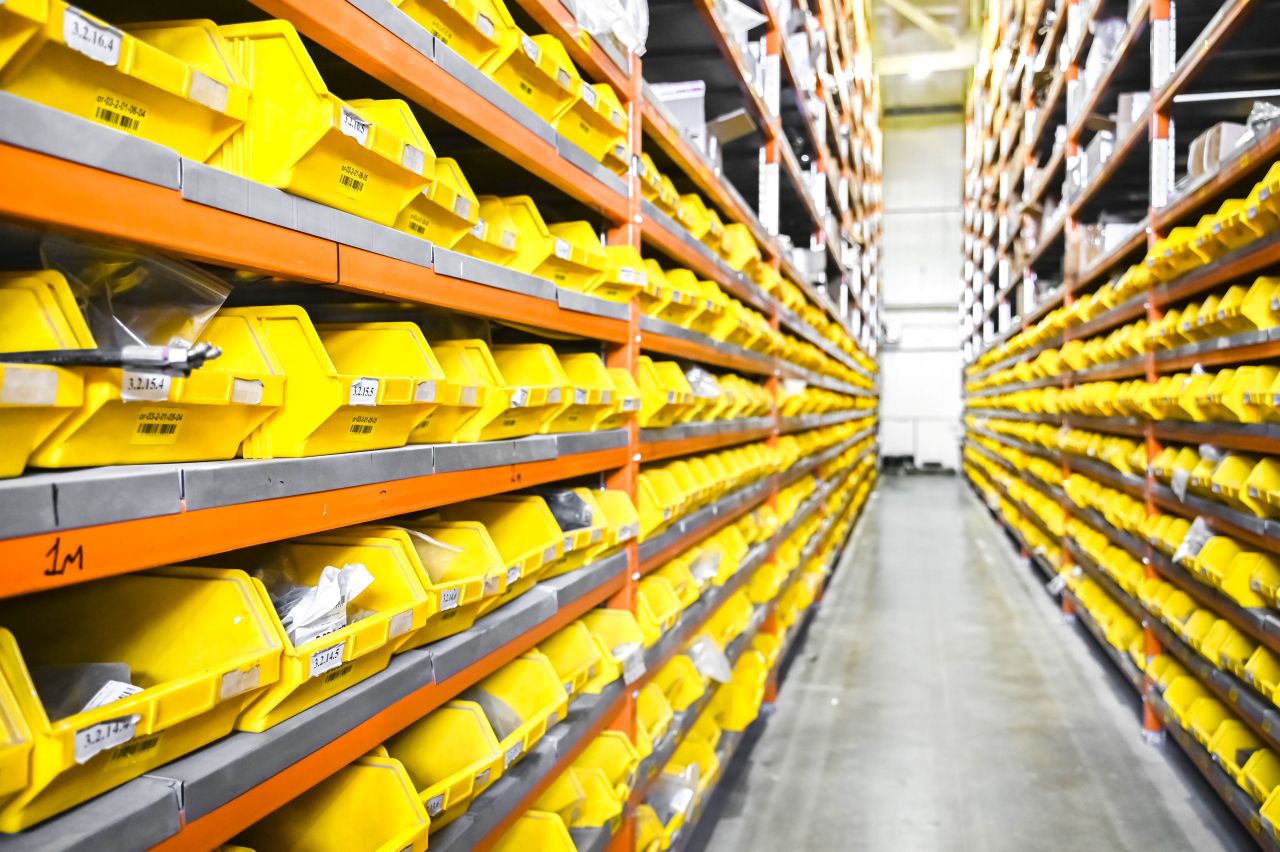
Janow highlights the importance of making parts easy to find and retrieve. "You don't want to spend 30 minutes going through drawers trying to find stuff," he said. "You want to be able to do that relatively quick."
When inventory records are maintained manually, locations become outdated and technicians are forced to hunt for parts. In many facilities, this problem is compounded by poor storeroom organization and incomplete spare-parts lists.
Efficient retrieval should be a priority for anyone responsible for supporting maintenance work. Every minute spent searching for inventory is a minute not spent restoring equipment to service.
2. Emergency Purchasing
When stock levels are inaccurate, organizations often rely on emergency purchase orders, expedited shipping, and last-minute supplier calls. These actions may solve the immediate problem, but they rarely address the root cause.
Janow stresses that maintenance inventories should be optimized to support "quick recovery from unscheduled downtime" and emergencies. Without accurate inventory records, planners cannot trust minimum and maximum stock levels, lead-time calculations, or replenishment recommendations. Parts that appear available may actually be out of stock, forcing teams into a reactive purchasing cycle.
This reactionary approach is expensive. Worse, emergency purchases can give the impression that inventory levels are sufficient when the real issue is poor inventory control and inadequate processes. As Janow explains, organizations that remain reactive often require larger inventories to compensate for uncertainty, while proactive operations can maintain leaner, more efficient storerooms.
3. Workbench Hoarding
Perhaps the most damaging hidden cost is the gradual erosion of trust in the storeroom.
When technicians repeatedly discover that inventory records are inaccurate, they begin keeping spare parts in unofficial storage areas. The organization still owns the inventory, but the CMMS can no longer account for it.
Janow stresses the importance of accountability and tracking. "No parts can be checked out without a work order number," he explained while discussing inventory management policies. He also cautioned that managers "really can't manage your inventory" when parts usage is not properly recorded.
The solution is better inventory management. By establishing standard procedures and using a CMMS consistently, organizations can eliminate these hidden costs and create a storeroom that maintenance teams trust. As Janow repeatedly emphasizes, success starts with good data, because "good data in" leads to "good data out."
Enroll in "MVP 307 - Inventory Storeroom Management" to learn more.