Maintenance departments have long been measured by uptime, work completion rates, and equipment reliability. Finance teams, meanwhile, have focused on budgets and asset costs. In many organizations, those functions still operate from separate systems, creating gaps between operational performance and financial decision-making.
As organizations pursue digital transformation initiatives, combining computerized maintenance management system (CMMS) data with enterprise resource planning (ERP) information is emerging as a critical strategy for improving financial visibility. The combination strengthens asset management and supporting more informed business decisions.
When those systems operate independently, maintenance leaders often lack clear insight into the true financial impact of maintenance activities. Executives, meanwhile, lack visibility into how asset performance influences profitability.
Integrated data changes that equation. Organizations that connect maintenance and financial information gain a more complete picture of maintenance spending and operational performance. The result is a data-driven approach that aligns maintenance strategy with broader business objectives.
Connecting Asset Performance to Financial Outcomes
One of the most significant benefits of integrating CMMS and ERP data is the ability to associate financial information directly with asset performance.
For example, a maintenance team may know that a critical production asset requires frequent corrective repairs. Without ERP integration, that knowledge may remain isolated within the maintenance department. Once maintenance records are linked to ERP systems, the organization can calculate the true cost of operating that asset.
Instead of simply tracking repair frequency, leaders can evaluate total cost of ownership (TCO). This includes labor expenses, spare parts consumption, contractor costs, procurement activity, and downtime-related impacts. This supports more effective decision-making around capital investments and maintenance strategy. Benefits include:
- For maintenance professionals, access to combined operational and financial data helps prioritize work based on business impact rather than assumptions.
- Reliability teams can identify assets that generate disproportionate maintenance costs and determine what plans provide the greatest return on investment (ROI).
- Executives benefit from a clearer understanding of how maintenance investments affect organizational performance.
Maintenance has often been viewed as a cost center. Integrated CMMS and ERP data help demonstrate how planned maintenance, reliability improvements, and asset optimization contribute to profitability and safer facilities.
The ability to quantify those outcomes strengthens the business case for maintenance technology investments and long-term asset strategies.
A connected environment also improves planning accuracy. When maintenance and finance teams operate from the same data set, forecasts become more accurate, budgets become more realistic, and procurement decisions become more proactive. As a result, organizations gain visibility into upcoming maintenance requirements and their associated costs.
Delivering Practical Value for Maintenance and Reliability Teams
For maintenance professionals, the value of CMMS and ERP integration extends beyond financial reporting.
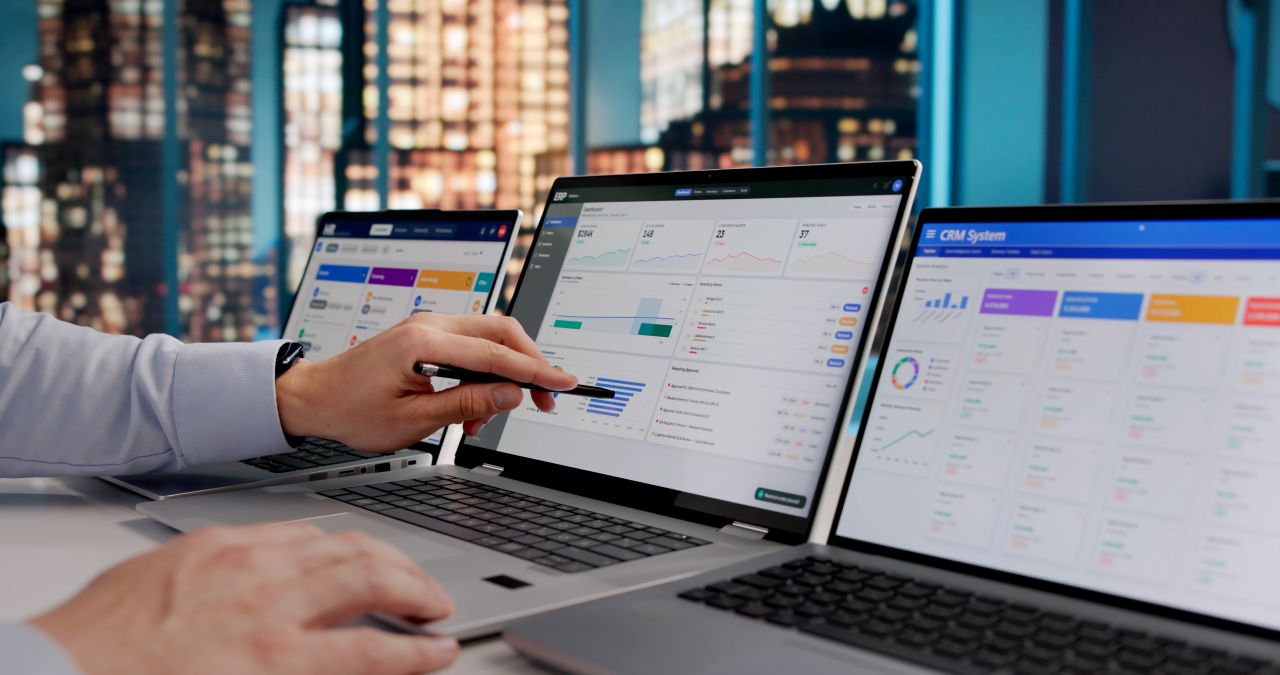
Integrated data provides a stronger foundation for daily decision-making. For example, a maintenance planner can review upcoming work orders alongside inventory availability and purchasing information. A reliability engineer can evaluate asset failure trends while analyzing repair costs and replacement expenses. An operations executive can compare maintenance spending against asset performance outcomes and production objectives.
This broader perspective reduces the likelihood of decisions being made in isolation. For example, consider a reliability initiative designed to reduce unplanned downtime. A standalone CMMS can demonstrate whether equipment reliability improves over time. However, integrating ERP data allows organizations to determine whether the initiative also:
- Reduced spare parts spending.
- Lowered contractor costs.
- Minimized inventory requirements.
- Delayed capital expenditures.
That financial context is often what transforms operational success into measurable business value.
Integrated systems also improve reporting efficiency. Many organizations continue to rely on spreadsheets and manual reconciliation processes to combine maintenance and financial information. These workflows consume valuable time and increase the risk of reporting errors.
Automated data sharing between CMMS and ERP platforms reduces duplicate data entry, improves accuracy, and enables leadership teams to access more timely information. Combining CMMS and ERP data creates a shared source of truth across maintenance, operations, finance, and executive leadership.
That alignment is becoming increasingly important as organizations seek greater operational efficiency and stronger returns from their asset management programs. Maintenance data tells the story of asset performance. ERP data tells the story of financial performance. When those stories are brought together, organizations gain the insight needed to make smarter decisions and improve business outcomes.
Learn how MVP One integrates with other systems.