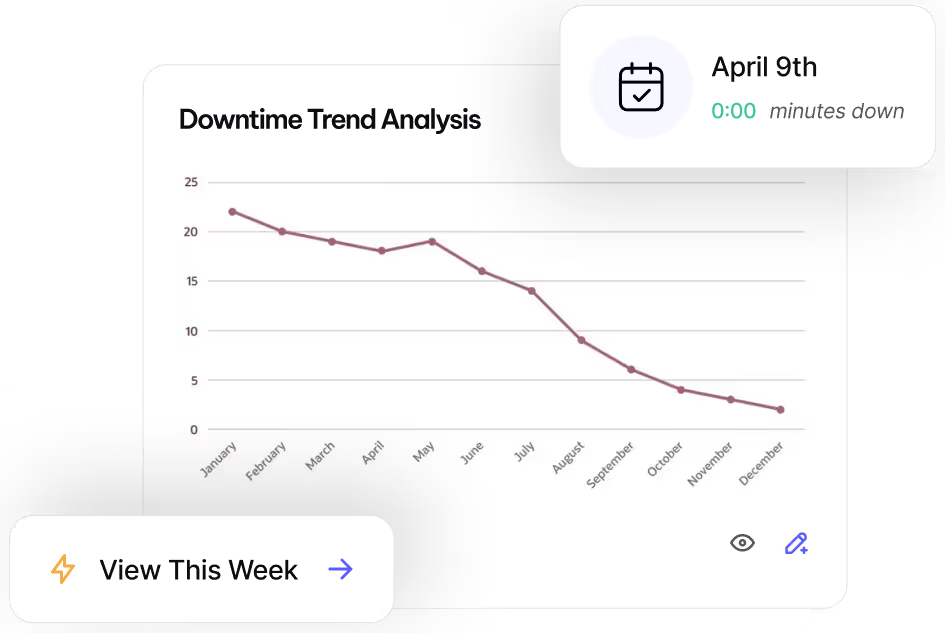

Modern CMMS software has become a comprehensive platform for predictive maintenance strategies. By centralizing asset data, maintenance histories and performance metrics in one accessible system, CMMS sets the stage for proactive maintenance approaches. This enables maintenance managers to identify patterns, detect anomalies, and anticipate equipment failures before they cause downtime.
The power of CMMS technology lies in its ability to automate data collection and analysis. Rather than relying on manual inspections and subjective assessments, maintenance software monitors equipment performance indicators, tracks failure trends and generates actionable insights. These systems maintain detailed records of every asset's operational history, including repair frequency, parts replacement cycles, and performance degradation patterns. All this data, transformed into information, becomes the intelligence layer that drives predictive maintenance decisions.
Advanced CMMS platforms from companies like MVP One leverage AI to detect equipment repair needs early by analyzing condition patterns and historical data. The software automates work order creation. This is designed to eliminate the guesswork from maintenance planning and enables organizations to efficiently allocate resources while reducing mean time to repair (MTTR) and extending asset lifespan.
Integrating Sensors, IIoT Data with a CMMS Platform for Greater Insights
The Industrial Internet of Things (IIoT) has transformed how organizations monitor equipment health in real time. Integrating sensor data with CMMS software creates a continuous feedback loop that captures vibration levels, temperature fluctuations, pressure readings, and other critical performance indicators. These sensors act as early warning systems, detecting subtle changes in equipment behavior that human inspection might miss. When connected to a CMMS platform, this sensor data becomes actionable and can trigger automated alerts and work orders based on predefined thresholds.
Real-time integration with enterprise resource planning (ERP), business intelligence (BI) and operational technology systems ensure predictive maintenance data flows seamlessly across the organization. A comprehensive CMMS software solution serves as the central hub where sensor alerts, asset histories and maintenance workflows converge.
This integration eliminates data silos and enables maintenance teams to make informed decisions based on verifiable, real-time information. For manufacturing facilities, this connectivity means production schedules can adapt to maintenance requirements, minimizing disruption while maximizing equipment availability.
Sensor integration’s value extends beyond immediate failure detection. By continuously collecting and analyzing equipment performance data, CMMS software builds more accurate predictive models. These models learn from every maintenance event, refining their ability to forecast failures with greater precision over time.
Companies also can establish customized condition-based triggers that align with specific asset criticality levels and operational priorities. This data integration approach transforms raw sensor readings into strategic maintenance intelligence that helps drive measurable improvements in reliability and operational efficiency.

Transitioning Toward Predictive Maintenance Workflows
Emphasizing predictive maintenance demands a shift in maintenance culture and workflows. Organizations should embrace a proactive mindset where data analysis and strategic planning drive maintenance activities. CMMS software helps facilitate this transition by providing the visibility, automation, and analytical capabilities needed to support predictive maintenance workflows. The first step involves establishing a comprehensive asset inventory with detailed criticality assessments that identify what should be prioritized for predictive monitoring.
Successful workflow transformation begins with preventive maintenance as a foundation. Organizations must establish consistent PM schedules, standardize repair procedures, and ensure maintenance teams document all activities within the CMMS platform. This baseline creates the data quality necessary for predictive analytics to effectively function. As routines mature, organizations can introduce condition-based monitoring for critical assets, using historical failure data to identify optimal prediction thresholds and response protocols.
Change management plays a crucial role in this transition. Maintenance teams need hands-on training and ongoing support to adopt new workflows. Mobile maintenance capabilities enable technicians to access predictive alerts, asset histories and work instructions from the equipment location, streamlining task execution, and improving data accuracy.
Role-based permissions ensure appropriate team members have access to the analytical tools and dashboards that support predictive decision-making. As teams experience the benefits of reduced emergency repairs and more controlled maintenance scheduling, organizational buy-in strengthens, creating a sustainable culture of proactive asset management that delivers long-term ROI.
Measuring, Optimizing Predictive Maintenance Program Success
Establishing clear performance metrics is essential for evaluating the effectiveness of predictive maintenance initiatives. Key performance indicators should include MTTR, mean time between failures (MTBF), and overall equipment effectiveness (OEE).
CMMS software provides the detailed cost tracking capabilities needed to measure the financial impact of predictive maintenance, including parts costs, labor hours, and downtime expenses. These metrics offer quantifiable evidence of program effectiveness and justify continued investment in predictive maintenance technologies.
Continuous optimization requires regular maintenance data analysis to identify opportunities for improvement. Clean maintenance data can reveal which assets are still experiencing failures despite predictive monitoring and provide insight into how to keep the issues from recurring.
Compliance-ready records and automated audit histories within the CMMS enable maintenance managers to review program effectiveness. Organizations should conduct regular reviews of predictive maintenance performance and compare current metrics against baseline measurements so they can progress toward operational reliability goals.
The most successful predictive maintenance programs treat optimization as an ongoing journey rather than a destination. CMMS software from companies like MVP One can centralize data, automate workflows, and provide actionable intelligence.
Learn more about MVP One improves predictive maintenance.