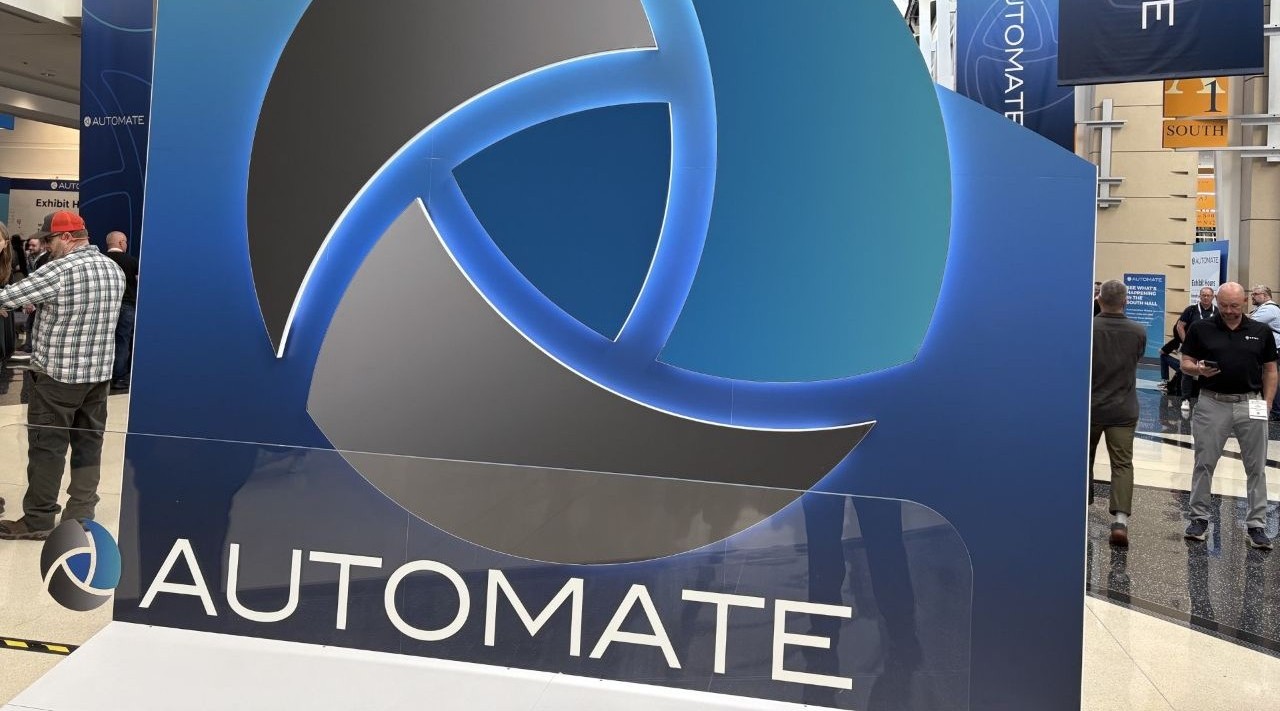
Automate 2026 returned to Chicago’s McCormick Place on a high as more than 50,000 attendees toured the North and South halls and the adjoining halls to learn about the latest in automation, robotics, digital transformation, AI, and more.
With AI being in the public consciousness more than ever, manufacturers, end users, and system integrators are running across a familiar, but common theme: Operational success depends on the ability to connect previously siloed systems and turn data into actionable insights. CMMS can play a key role in this process from the plant-floor level.
Achieving Real-Time Transparency, Efficiency
Industry leaders, system integrators, and software providers emphasized how organizations achieve the greatest results are those creating seamless connections between plant-floor technologies and enterprise applications.
The goal is simple: Eliminate data silos and enable better decision-making by making the processes more open and transparent.
One of the strongest messages from the show floor centered on real-time data accessibility. Roy Kok, VP of Sales and Marketing for Real-Time Automation, discussed how manufacturers increasingly need systems that communicate with machines while also collecting and contextualizing data. He described how they’ve expanded their focus on data historian capabilities and AI-enabled access to operational information.
“In the last year, we’ve emphasized the need to communicate with machines and help them archive data and act as a dedicated data historian,” Kok said.
Another challenge is helping companies map and connect disparate systems. This is a common problem because manufacturers often deal with a mix of legacy and modern technologies. Without an effective integration strategy, companies can’t get a full picture because the maintenance data is trapped in separate applications.
CMMS Integration Delivers Actionable Maintenance Intelligence
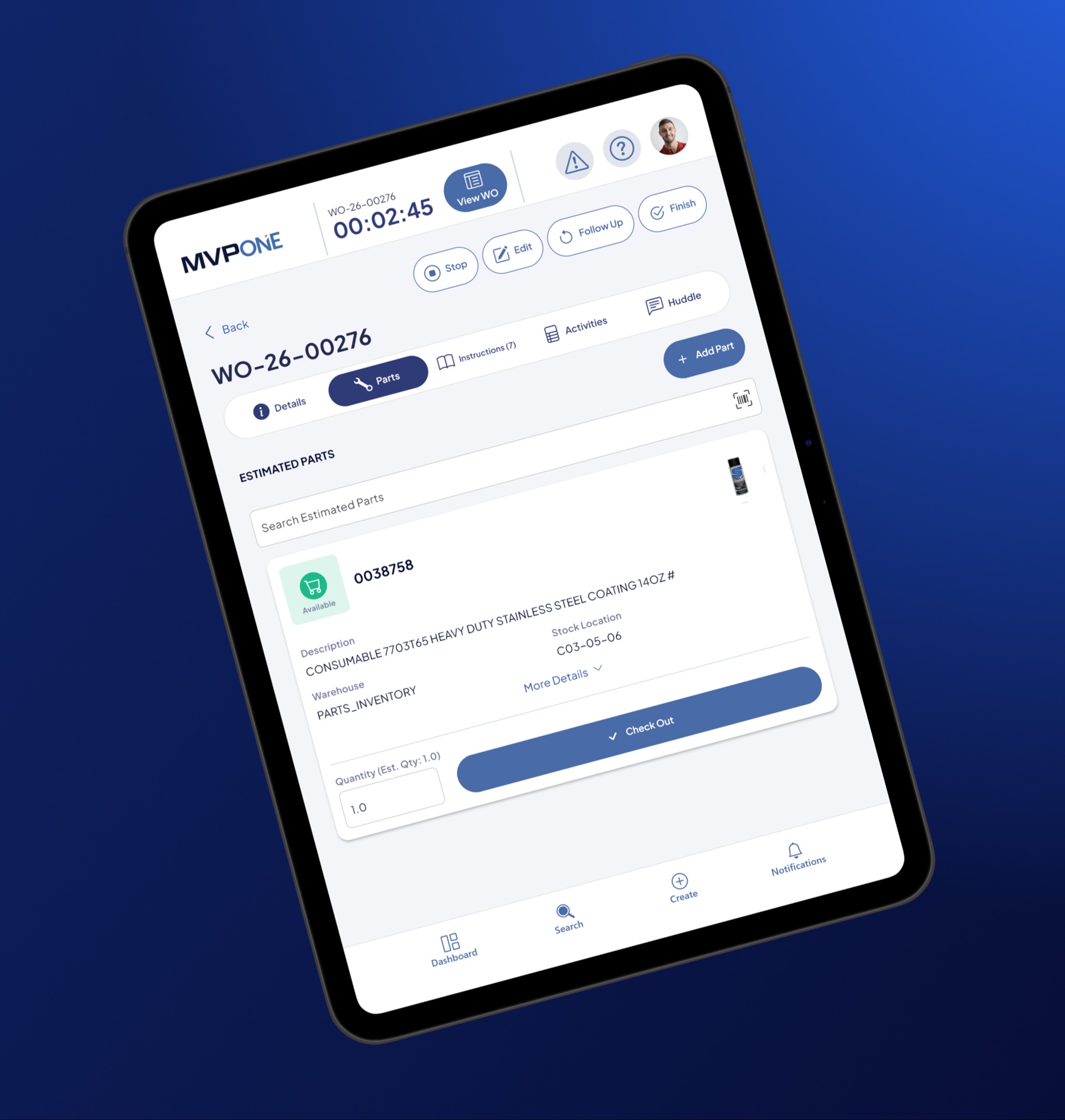
For maintenance professionals and reliability teams, Automate 2026 reinforced the value of integrating CMMS platforms with operational technologies such as supervisory control and data acquisition (SCADA) and MES.
Jayesh Jariwala, a Senior Project Engineer with system integrator Applied Control Engineering, noted many customers already use CMMS solutions connected to plant-floor systems. These integrations enable data exchange between applications, helping organizations monitor runtime data, automate maintenance-related processes, and improve asset visibility.
“With the integration with the data push, there’s not always a lot of transparency because there’s different software and the software solution is not always the same,” Jariwala said.
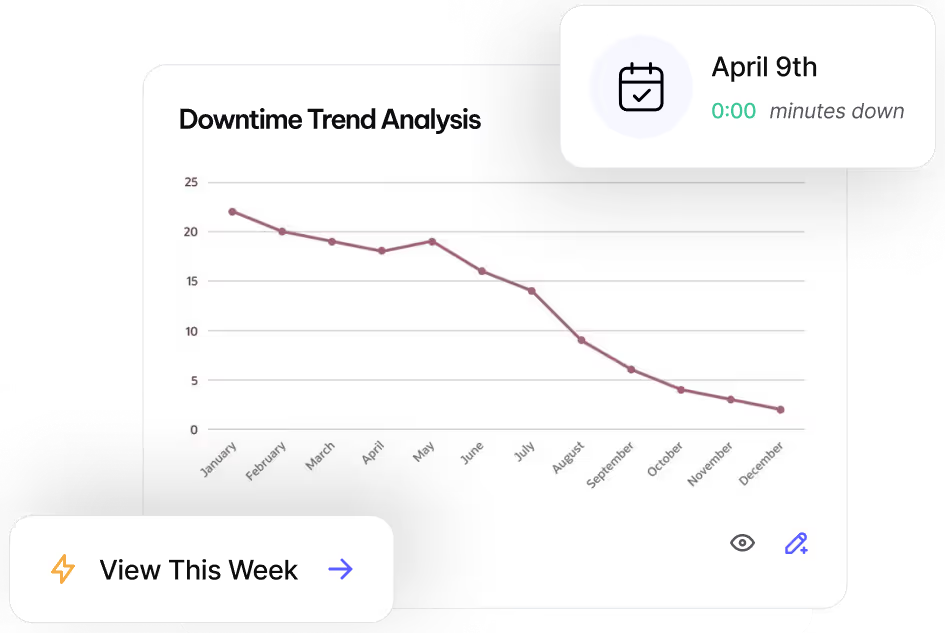
When CMMS platforms receive data from machine controls, MES, and SCADA systems, maintenance teams gain a more accurate picture of equipment health and utilization.
Connecting the Digital Thread Across the Enterprise
Another major trend at Automate 2026 is the growing effort to establish a digital thread that links the shop floor to enterprise systems.
Jonathan Mejeur, an IoT Solutions Consultant with Velotic Software, described how modern platforms are helping standardize information from multiple sources while making connected data more accessible to users. The company is developing AI-enabled capabilities that can present information through reports, charts, graphs and other formats. Velotic's approach focuses on integrating information from different systems, standardizing data and making it easier to support machine learning (ML) and advanced analytics initiatives.
“We want to connect the digital thread from the shop floor to the enterprise,” he said.
Douglas Brandl of Sepasoft highlighted similar challenges. He noted many MES, quality management, and operational systems remain siloed, which has been a persistent problem since the rise of IIoT and digital transformation.
Sepasoft addresses these challenges by providing a unified data model and modular architecture that enables organizations to configure solutions around their specific needs. The company also focuses on creating context around data and moving information upward into enterprise systems such as ERP platforms.
“We’re giving them the power to configure and solve problems,” Brandl said.
For maintenance leaders, this connected architecture delivers measurable value. A CMMS becomes more than a work-order system.
Reliability teams can identify trends faster and maintenance teams can make more informed scheduling decisions.
For executives, they can align asset strategies with broader business goals and make better long-term decisions.
Automate 2026 demonstrated the future of industrial operations is not defined by a single application or technology. Instead, success depends on how effectively organizations connect systems, standardize data, and create visibility across the enterprise.