
A preventive maintenance procedure should do more than remind a technician to inspect, lubricate, or adjust equipment. An effective PM gives a technician enough information to prepare for the task, perform it consistently, document results, and generate follow-up work.
Steve Janow, senior reliability consultant at MVP One, said the goal is to ensure "each step will be completed in the same way every time and have similar end results, whoever is performing."
When procedures lack detail, results vary. One technician may compensate for incomplete instructions, while another may miss a critical inspection point or measurement. Effective PM development removes that uncertainty.
Define Requirements and Actions
Every PM should begin with clearly defined safety requirements, including lockout/tagout instructions, electrical isolation points, and stored-energy hazards specific to the asset. Janow recommends building standardized safety instruction sets when the same precautions apply across multiple assets, so a single update refreshes every procedure that uses it.
"If you just do the one instruction set that you have in there, it will update on all of them," Janow said.
Each task should begin with a clear action verb, such as lock out, visually inspect, measure, record, lubricate, or reinstall. Janow cautioned against vague, wordy steps. "You want to be simple, objective. Don't be too wordy with these," he said.
A step that says "inspect belt" offers little value, while one that directs a technician to check for glazing, fraying, and cracking spells out what to inspect and what signals failure.
Identify Equipment and Materials
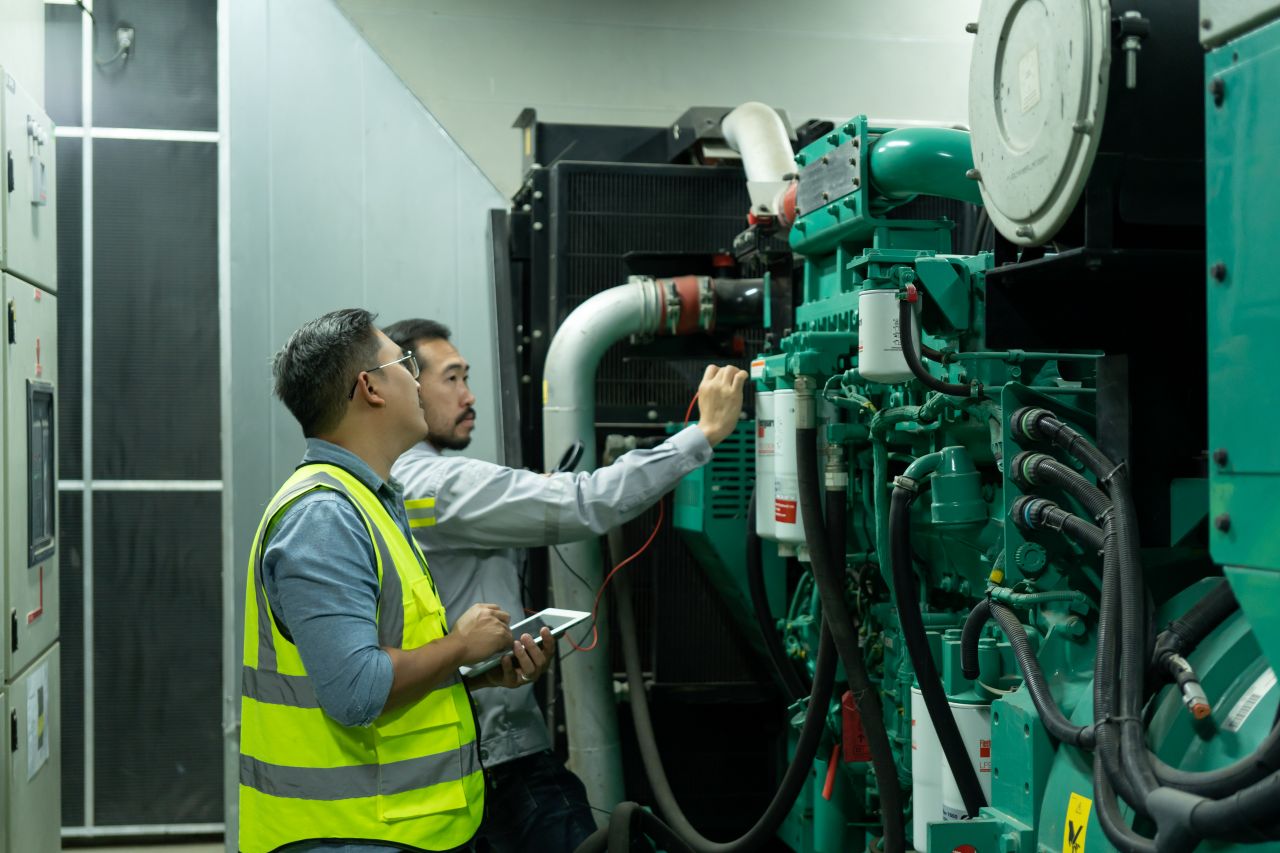
PM procedures should list specialty tools required for the work, such as torque wrenches, vibration analyzers, infrared cameras, or laser alignment tools. Janow noted that technicians should not discover tool requirements after arriving at the asset. "You don't want technicians running back and forth," he said. "I wish I'd known that. I'd carry all this out with me."
Effective PMs also name required parts, including part numbers, lubricant types, and quantities. Janow encouraged moving beyond generic instructions such as "grease all bearings" toward specifics, such as lubricating fittings 16A and 16B with a designated lubricant and applying two pumps each. Linking PMs to inventory data also helps storerooms reduce stockouts that delay planned work.
Define Acceptable Operating Conditions
One overlooked part of PM development is defining acceptable operating conditions. Phrases such as "check motor" tell a technician what to look at but not what good looks like. Janow stressed building measurable limits into procedures, including temperature ranges, vibration thresholds, and torque values. One example instructed technicians to verify pivot bolts were torqued to 75 foot-pounds. These limits turn inspections into condition-based activities and give objective criteria for corrective work.
Have Visual References Ready
Pictures and diagrams often communicate information more effectively than text alone, helping technicians locate lubrication fittings and hidden bearings. "If you don't have anything, go out and take some images," Janow said, "especially on things that are hard to see, things that can be easily missed."
An effective PM procedure ties these elements together into one repeatable standard. When safety steps, clear actions, required tools, operating limits, and visual references appear in a single document, maintenance teams gain documentation that improves consistency, catches failures earlier, and strengthens asset reliability.
Register now for MVP 306: PM Development and Optimization